

Sand looks simple until you start pricing it. The cost of sand per ton depends on the sand type, your location, delivery distance, order size, and whether the material is washed, screened, or specialty-grade. This guide explains typical sand price per ton ranges, how to estimate the amount you need, and what to ask before scheduling a delivery.
How much is a ton of sand?
In many construction and landscaping projects, a basic ton of sand may cost about $25 to $35 before delivery, while fill sand can be closer to $15 to $30 per ton and specialty sands can rise much higher. If you are asking “how much is 1 ton of sand?” the most useful answer is: enough to cover roughly 100 square feet at a 2-inch depth, though moisture and compaction can change the result. The final invoice often depends as much on trucking and local availability as on the material itself.
A “ton” usually means a U.S. short ton, or 2,000 pounds. If a supplier quotes by the cubic yard instead, one ton of sand is commonly estimated at about 0.75 cubic yards. That conversion is not exact because dry, fine sand weighs differently than damp, coarse, or compacted sand, but it is a practical planning number for budgeting.
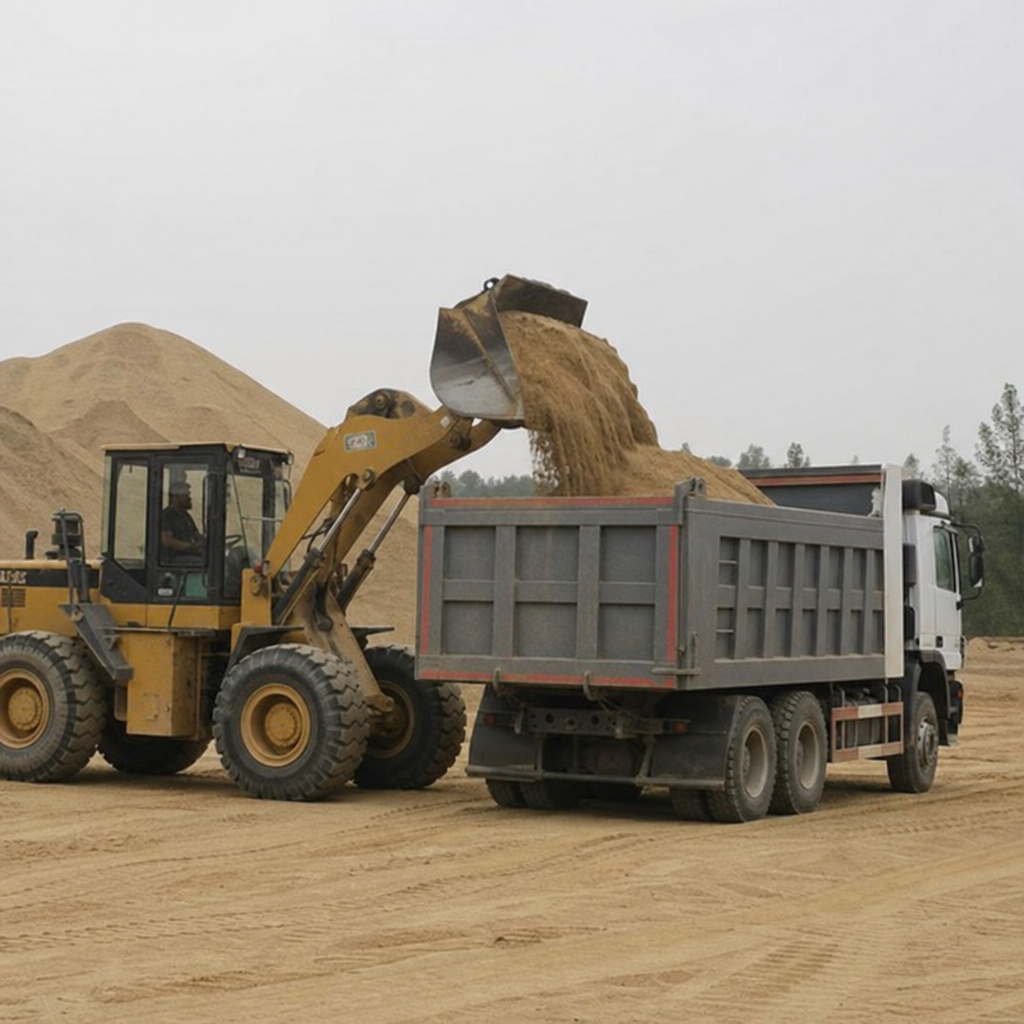
Typical sand price per ton by type
Different sand types are priced differently because they are processed, cleaned, graded, and used in different ways. Paying for the wrong sand can create more problems than it solves, especially in masonry, concrete, drainage, or playground applications where texture and cleanliness matter.
Here are common price expectations to use as a starting point:
| Sand type | Typical use | Approximate price range |
|---|---|---|
| Fill sand | Leveling, backfill, general base material | $15–$30 per ton |
| Construction sand | General building, bedding, mixing | $25–$35 per ton |
| Masonry sand | Mortar, brickwork, pavers, finished joints | Often similar to or slightly above construction sand |
| Washed sand | Concrete, drainage, cleaner landscaping uses | Often $10–$30 more per ton than unwashed sand |
| Silica or specialty sand | Industrial, filtration, sports, specialty applications | Up to around $100 per ton or more |
The cost of masonry sand is often higher than basic fill sand because it is typically screened for a finer, more consistent texture. That smoothness matters when you are mixing mortar, sweeping sand into paver joints, or working on a visible finished surface. For rough grading or filling low spots, paying extra for masonry-grade material may not be necessary.
The biggest factors behind sand pricing
The cost of sand per ton is not set by one simple market number. It changes based on local supply, processing, hauling distance, and the amount you buy. Two homeowners in different regions can order the same type of sand and receive noticeably different quotes.
Sand type and processing
Raw fill sand usually costs less because it requires less washing, screening, and quality control. Washed sand costs more because clay, silt, and debris are removed to create a cleaner product. Masonry sand, concrete sand, and specialty sands may need tighter gradation, which adds processing cost.
That extra processing can be worth it when performance matters. Mortar made with the wrong sand may be harder to work with, while poorly chosen sand under pavers can affect settling and drainage. The cheapest option is not always the lowest-cost choice if it causes rework.
Location and supply
Sand is heavy, so local availability has a major effect on price. If a quarry, pit, or supplier is nearby, the material itself may be affordable. If sand must be hauled from farther away, transportation can quickly become the largest part of the bill.
Regional demand also matters. Areas with active building seasons, road work, or storm-repair activity may see tighter supply and higher prices. Rural areas may have fewer supplier options, while urban areas may have more competition but higher delivery and access costs.
Order size
Small orders usually have a higher effective cost per ton because the supplier still has to load, dispatch, and deliver the material. Larger bulk orders may reduce the per-ton rate, especially around 10 tons or more. Some buyers may see bulk savings in the 10% to 20% range, depending on the supplier and local market.
For a DIY project, the goal is not simply to order more because it is cheaper per ton. Extra sand must be stored, protected, moved, or removed. A slightly higher per-ton price may be better than having a leftover pile in the driveway for months.
What does sand delivery cost?
Sand delivery cost commonly includes a local flat fee, a per-mile charge, a per-ton surcharge, or some combination of those items. A local delivery fee might fall around $50 to $150 per load, while per-ton delivery add-ons can run $10 to $20 or more depending on distance and logistics. The farther the truck travels, the more important delivery becomes in the total price.
A truck load of sand cost can vary widely because “truck load” does not always mean the same thing. A small dump truck, full-size dump truck, and semi-style delivery can all carry different amounts. A supplier may quote a minimum load, a maximum legal payload, or a delivery fee that makes small orders relatively expensive.
Before you compare quotes, ask each supplier what is included. A low sand price per ton can become less attractive if the delivery fee, fuel surcharge, minimum order, or waiting-time charge is higher than expected.
Delivery questions to ask before ordering
Use this quick checklist when calling local suppliers:
- What is the delivered price? Ask for the total cost, not just the material price.
- Is there a minimum order? Some suppliers require a minimum number of tons or cubic yards.
- How much can one truck carry? Confirm the load size so you know whether one trip is enough.
- Are fuel or distance fees separate? Long hauls can change the total quickly.
- Can the truck access the drop area? Narrow driveways, low branches, soft ground, and steep grades can create problems.
- Where will the sand be dumped? Make sure the drop spot is legal, safe, and convenient for moving the material.
- Is the sand washed, screened, or masonry-grade? Confirm the material, not just the name.
Estimating how much sand you need
A good estimate prevents two expensive outcomes: paying for material you do not need or running short before the job is finished. For many planning purposes, one ton of sand covers about 100 square feet at a 2-inch depth. Five tons may cover around 500 square feet at that same depth and is roughly 3 to 4 cubic yards.
For a simple estimate, use this process:
- Measure the area. Multiply length by width to get square feet.
- Choose the depth. Convert inches to feet by dividing by 12.
- Calculate cubic feet. Multiply square feet by depth in feet.
- Convert to cubic yards. Divide cubic feet by 27.
- Convert to tons. Divide cubic yards by 0.75, or ask your supplier for their exact conversion.
- Add a small buffer. Include extra for leveling, compaction, spillage, and uneven ground.
For example, a 200-square-foot area at 2 inches deep equals about 33 cubic feet, or about 1.2 cubic yards. Using the common 0.75-cubic-yard-per-ton estimate, that comes to roughly 1.6 tons. In real ordering, you might round based on the supplier’s minimums and how precise the project needs to be.
Choosing the right sand for the job
The right sand is the one that matches the project’s function, not just the budget. Fill sand is useful for raising low areas, backfilling, and creating rough bases where appearance is not important. Construction sand is a broader category and may work for bedding, mixing, and general site use, depending on the supplier’s product.
Masonry sand is better when you need fine texture and workability. It is commonly used for mortar mixes, brickwork, stonework, and paver joints because it can create a smoother finish. If your project involves structural masonry, always follow the mix requirements or professional guidance for that specific application.
Concrete sand is typically coarser than masonry sand and is used where stronger interlocking and drainage characteristics are helpful. Washed sand is a good choice when cleanliness matters, such as in concrete mixes, drainage layers, or certain landscaping uses. Specialty sands, including silica sand, are best treated as project-specific materials because their price and suitability depend heavily on the application.
Ways to control the total cost
The easiest way to save money is to compare the full delivered cost from several local suppliers. Do not compare only the posted material rate, because a supplier with a slightly higher sand price per ton may still be cheaper after delivery. Ask for the same quantity, same sand type, and same delivery address so the quotes are comparable.
You can also reduce cost by planning around timing and logistics. If your project allows flexibility, off-season purchases in fall or winter may be less expensive in some markets. Combining orders with another project, neighbor, or contractor can also help if it moves the purchase into a more efficient load size.
Practical cost-saving tips include:
- Buy the correct grade first. Cheap sand becomes expensive if it must be replaced.
- Order in bulk when storage is practical. Larger loads may reduce the per-ton rate.
- Prepare the drop site. Clear access before the truck arrives to avoid delays or failed delivery.
- Avoid over-ordering. Leftover sand can be hard to store, move, or dispose of.
- Confirm moisture expectations. Wet sand can weigh more and handle differently than dry sand.
- Schedule early. Last-minute deliveries may limit supplier options.
Final takeaways before you order
If you are wondering how much is a ton of sand, start with a typical material range of about $25 to $35 per ton for many construction uses, then adjust for sand type, delivery, and local supply. Fill sand may cost less, while washed, masonry, or specialty sand may cost more. Delivery can add a meaningful amount, so always compare the total delivered price rather than the material price alone.
The best order is accurate, not just cheap. Measure your area, choose the right sand for the job, ask clear delivery questions, and confirm whether the supplier quotes by ton, cubic yard, or truckload. A few minutes of planning can prevent budget surprises, project delays, and the frustration of having too much or too little sand on site.