
Fill sand is one of those simple materials that can solve a lot of practical site problems. Whether you are leveling a low area, preparing a landscape feature, backfilling around a project, or improving drainage under a surface, the right sand can create a stable, workable base. This guide explains how fill sand is used, when it makes sense, and what to consider before ordering fill sand delivered to your property.
What is fill sand?
Fill sand is a loose, granular material commonly used to raise grades, fill depressions, support drainage, and create a workable base beneath outdoor projects. Unlike decorative sand, playground sand, or masonry sand, it is typically chosen for function rather than appearance. The goal is not to create a polished surface; it is to add volume, improve site conditions, and prepare an area for the next layer of work.
In landscaping and construction, fill sand often works best where water movement matters. Because sand particles leave small spaces between them, water can move through more easily than it can through heavy clay or compacted soil. That can be helpful in many Oklahoma landscapes, especially where low spots collect water or where a project needs a better-draining foundation.
It is important to understand that not all sand products are the same. Some sands are cleaner, finer, or more consistent than others. Before choosing fill sand for landscaping Oklahoma properties, it helps to think about what the sand needs to do: fill space, support a structure, improve drainage, or create a level base for another material.
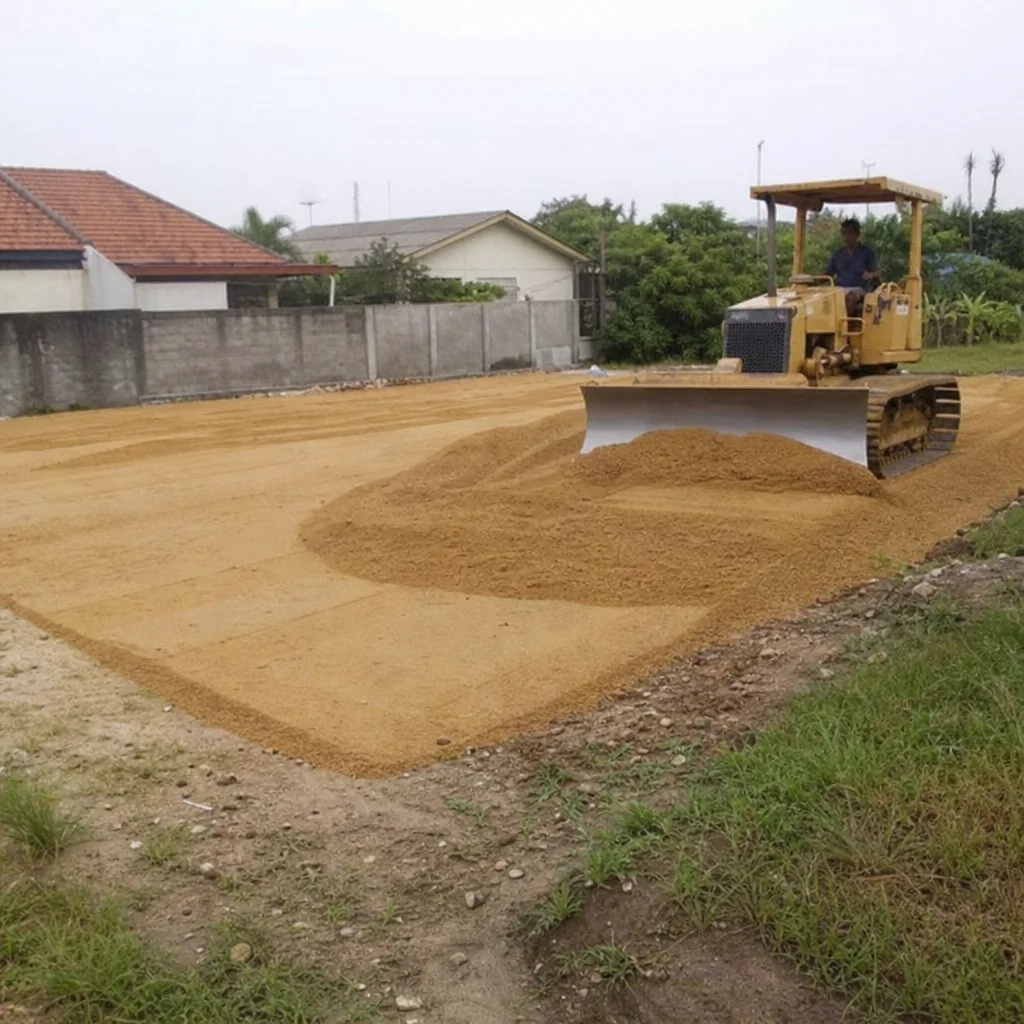
The practical benefits of fill sand
Fill sand is popular because it is versatile, easy to spread, and useful in both residential and light commercial outdoor projects. It can often be placed and shaped with basic tools, especially for smaller jobs. For larger areas, equipment may be needed, but the material itself remains straightforward to work with.
One of the biggest benefits is that fill sand can help correct uneven ground. Low areas in a yard can be frustrating because they may hold water, interfere with mowing, or make future landscaping harder. Adding fill sand can help build up those areas and create a smoother working surface before topsoil, sod, gravel, pavers, or other materials are added.
Fill sand can also support drainage-focused projects. While it is not a complete drainage system by itself, it can be part of a better site solution when used correctly. For example, it may be used beneath hardscape features, around certain backfill areas, or as a leveling layer where water should not sit directly against a surface.
Common benefits include:
- Easy leveling: Fill sand can be raked, shoveled, and compacted into place for smoother grades.
- Drainage support: Its granular structure can help water move more freely than dense soil.
- Project flexibility: It can be used under patios, walkways, landscape beds, and some utility areas.
- Volume filling: It is useful for building up low spots or replacing unsuitable soil.
- Workability: It is generally easier to shape than rocky fill or heavy clay.
The key is matching the material to the job. Fill sand is useful, but it is not always the final surface. In many landscaping projects, it acts as a preparation layer that supports the materials placed above it.
Where fill sand works best in landscaping
Fill sand for landscaping Oklahoma properties can be especially useful because many yards deal with grading, drainage, and soil consistency challenges. Some areas may have compacted soil, while others may have erosion, washouts, or settling around previous work. Sand can help create a more manageable base when used as part of a thoughtful plan.
Around landscape beds, fill sand may be used to improve grade before adding topsoil or mulch. Under walkways, it can help create a more even base, depending on the overall design and required compaction. In low areas, it may help reduce standing water when paired with proper slope and drainage planning.
It is also used in larger yard improvement projects where homeowners want to reshape part of a property. If an area dips sharply or needs to be brought closer to the surrounding grade, fill sand can provide bulk. However, for planting areas, it should usually be paired with soil or compost-rich material above it, because sand alone does not provide the nutrients most plants need.
Good uses for fill sand may include:
- Leveling low lawn areas before adding topsoil and grass.
- Preparing bases for small hardscape or outdoor living features.
- Backfilling selected areas where drainage and workability are important.
- Improving grade transitions around landscape edges.
- Filling washed-out spots after correcting the cause of erosion.
The best results come from planning the layers. A project may need fill sand below, soil or aggregate above, and proper compaction between steps. Skipping those details can lead to settling, soft spots, or uneven surfaces later.
Is fill sand right for your project?
Fill sand is right for your project if you need a workable material for leveling, filling, or drainage support and the area does not require nutrient-rich soil as the main layer. It is especially helpful when the goal is to build up or stabilize an outdoor space before adding another finish material. If the area will support plants, turf, vehicles, or structures, you should consider what other layers or compaction steps are needed.
For example, if you are filling a low spot in a lawn, fill sand alone may not be the best top layer. Grass needs a growing medium, so topsoil is typically needed near the surface. But fill sand can still be useful underneath if the depression is deep and you need volume before finishing with soil.
If you are preparing for pavers, the answer depends on the full base design. Many hardscape installations require compacted aggregate, bedding sand, and precise grading. Fill sand may help with rough grading, but it should not replace the base materials required for the finished surface unless the project design allows it.
A simple decision checklist can help:
- Do you need to raise or fill an area? Fill sand may be a good option.
- Does the area have drainage concerns? Sand may help as one part of the solution.
- Will plants grow directly in it? Add suitable soil above it.
- Will it support weight? Plan for compaction and the right base layers.
- Is the site difficult to access? Ask about delivery placement before ordering.
- Are you unsure how much you need? Measure the area before requesting fill sand delivered.
When in doubt, describe your project clearly when ordering. The more detail you provide, the easier it is to choose the right material and delivery amount.
Understanding fill sand cost
Fill sand cost depends on several factors, including the amount ordered, local material availability, delivery distance, site access, and whether additional services are needed. The price of fill sand is usually not just about the material itself. Delivery, fuel, minimum order requirements, and placement limitations can all affect the final cost.
For smaller projects, the total cost may feel influenced most by delivery because the truck still has to make the trip. For larger projects, volume becomes a bigger part of the estimate. That is why it helps to calculate your approximate cubic yards before calling or requesting a quote.
To estimate volume, measure the area’s length, width, and depth. Convert the depth to feet, multiply length by width by depth, then divide by 27 to estimate cubic yards. For example, a shallow leveling project may require far less material than a deep low spot, even if the surface area looks large.
Before comparing quotes, make sure you are comparing the same things:
- Material type: Confirm it is the right fill sand for your use.
- Quantity: Ask whether the quote is by ton, cubic yard, or load.
- Delivery included: Check whether delivery is included or separate.
- Minimum order: Some suppliers may have minimum delivery amounts.
- Drop location: Ask where the truck can safely place the load.
- Extra fees: Clarify access limits, wait time, or special placement needs.
Searching only for the lowest price of fill sand can lead to problems if the material is not suitable or the delivery does not fit your site. A clear quote that explains material, quantity, and delivery terms is often more useful than a vague low number.
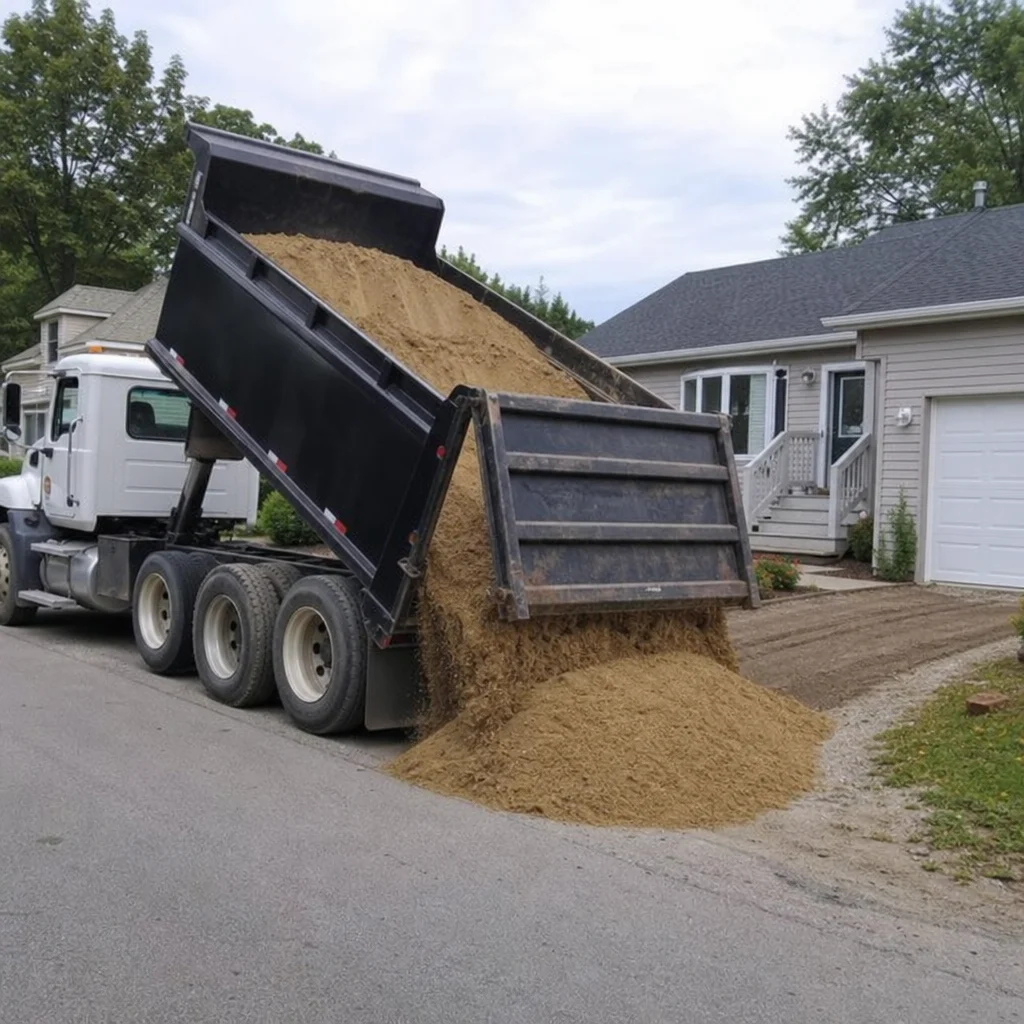
Planning for fill sand delivery
Ordering fill sand delivery for landscaping Edmond OK projects, or similar projects in nearby Oklahoma communities, starts with good measurements and a clear drop-off plan. Delivery is convenient, but sand is heavy and the truck needs safe access. Thinking through placement before the driver arrives can save time, labor, and potential property issues.
Choose a drop location that is close to the work area but accessible for the delivery vehicle. Driveways are often practical, but they may not always be ideal depending on surface strength, slope, overhead clearance, or neighborhood restrictions. Avoid assuming a truck can drive across a lawn, through a narrow gate, or under tree limbs.
You should also prepare for weather. Rain can make sand heavier and harder to move, while wind may spread loose material if it sits uncovered for too long. If you cannot use the material right away, consider how you will contain or cover the pile.
Before delivery, complete this quick prep list:
- Measure the project area and estimate depth carefully.
- Confirm the material type so you are not ordering the wrong sand.
- Ask about delivery vehicle size and access requirements.
- Mark the drop zone with cones, boards, or clear instructions.
- Protect nearby surfaces if staining, spreading, or runoff is a concern.
- Have tools ready, such as shovels, rakes, wheelbarrows, and a compactor if needed.
Good preparation makes fill sand delivered to your site much easier to manage. Once it arrives, the goal is to move and shape it efficiently before weather, foot traffic, or vehicles disturb the pile.
Getting better results after the sand is placed
The value of fill sand depends heavily on installation. Even good material can perform poorly if it is dumped into a low area without grading, compaction, or attention to water flow. A little extra care during placement can make the finished project smoother and longer lasting.
Spread sand in manageable layers rather than one deep, loose pile. Thinner lifts are easier to level and compact. If the area will carry weight or support a finished surface, compaction is especially important because loose sand can settle over time.
Pay attention to slope. Many outdoor projects need water to move away from structures, walkways, or gathering areas. If fill sand creates a flat basin instead of a gentle path for runoff, the project may still hold water after the work is done.
It also helps to separate functions. Use fill sand for filling and shaping, then use the proper finishing layer for the final purpose. That might mean topsoil for grass, gravel for drainage, bedding material for pavers, or mulch and planting soil for landscape beds.
A smart material for practical outdoor projects
Fill sand is not flashy, but it is useful, flexible, and often essential for preparing outdoor spaces. It can help level uneven ground, support better drainage, fill low areas, and create a workable base for landscaping improvements. The best results come from choosing the right material, estimating the amount carefully, understanding fill sand cost, and planning delivery before the truck arrives.
If you are considering fill sand for landscaping Oklahoma projects, start with the purpose of the job. Decide whether you need volume, drainage support, a base layer, or a combination of all three. With the right plan, fill sand can turn a difficult patch of ground into a more usable, project-ready space.