

Getting rid of bulky junk, renovation debris, yard waste, or everyday trash is much easier when you know which local disposal option fits the job. A quick search for a dump near me can help, but the best choice depends on what you are throwing away, whether the site accepts public drop-offs, and what rules apply in your area. This guide walks through how to find nearby dumps, landfills, transfer stations, and public disposal options without wasting time or making an unnecessary trip.
Where can I dump trash near me?
The fastest way to answer where can i dump trash near me is to identify the type and amount of waste you have, then match it to the correct facility. Small household bags may belong in curbside pickup or a municipal convenience center, while construction debris, furniture, mattresses, appliances, and large cleanouts often require a landfill, transfer station, recycling center, or scheduled bulk pickup.
A "dump" is a general term people use when searching, but local disposal sites can operate very differently. Some are public facilities run by a city or county. Others are private transfer stations, construction debris facilities, recycling centers, or landfills with limited public access. Before loading your vehicle, check what the site accepts, whether proof of residency is required, and if fees apply by load size, item type, or weight.
Understanding your local disposal options
Searching for dump sites near me may bring up several types of facilities. Knowing the difference helps you avoid arriving at the wrong place with materials they cannot take.
Landfills and transfer stations
A landfill near me search usually points to a large disposal facility where waste is buried under regulated conditions. Landfills often accept household trash, bulky items, and certain construction materials, but rules vary by location. Some landfills welcome residential customers during set hours, while others serve only commercial haulers.
Transfer stations are different. They collect waste temporarily before it is hauled to a landfill or processing facility. For many residents, a transfer station is more convenient than a landfill because it may be closer to town, easier to access, and designed for public drop-offs. If you are cleaning out a garage, basement, or rental property, a transfer station may be the practical middle ground.
City dumps and municipal convenience centers
A search for city dump near me often leads to a municipal drop-off center. These facilities may accept household trash, yard waste, bulky items, scrap metal, cardboard, tires, and seasonal items, depending on local policy. They are commonly limited to residents, so you may need a driver's license, utility bill, permit, or city-issued sticker.
Municipal sites are useful because they are built around local needs. Some offer special drop-off days for electronics, paint, batteries, or household hazardous waste. Others separate materials for recycling or composting, which can reduce what goes to the landfill.
Public dumpsters and short-term disposal spots
When people search for public dumpster near me, they are usually looking for a simple place to toss trash immediately. Public dumpsters can exist at community centers, apartment complexes, parks, businesses, or event locations, but that does not mean they are open for general dumping. Many dumpsters are private property, and using them without permission can lead to fines or illegal dumping complaints.
If you need temporary disposal for a project, consider a legal alternative. Some areas offer public drop-off bins for recyclables, yard waste, or bagged trash. For larger projects, renting a dumpster or using a local transfer station is usually safer and cleaner than relying on a random bin.
How to search for the right facility quickly
Typing dump near me is a good start, but a more specific search will usually save time. Add the material you need to throw away, your city or county, and terms like "public drop-off," "bulk waste," "transfer station," or "construction debris." For example, if you have old furniture, searching for "furniture disposal city dump near me" may produce better results than a broad local search.
Use this quick checklist before choosing a location:
Confirm accepted materials. Look for rules on furniture, mattresses, appliances, carpet, yard waste, concrete, roofing, tires, electronics, paint, batteries, and chemicals.
Check public access. Some facilities serve only licensed haulers or commercial accounts.
Review hours carefully. Disposal sites may close earlier than regular businesses and may have separate weekend or holiday schedules.
Ask about fees. Charges may be based on weight, vehicle size, item type, or flat residential rates.
Bring required documents. Many city or county sites require proof of residency.
Secure your load. Use tarps, straps, or closed containers so trash does not blow onto roads.
Sort materials in advance. Separating metal, cardboard, yard waste, and general trash can speed up drop-off.
A few minutes of checking can prevent the common problem of arriving with a full vehicle only to find that the site is closed, does not take your material, or requires a permit.
What materials can dumps for trash usually accept?
Most dumps for trash accept common household waste and bulky items, but every location sets its own rules. Typical acceptable items may include bagged household trash, broken furniture, non-hazardous junk, carpet, small amounts of remodeling debris, and yard waste. However, materials such as paint, oil, pesticides, propane tanks, batteries, electronics, asbestos, medical waste, and chemicals often require special handling.
The reason is safety. Some materials can leak, burn, react, contaminate soil or water, or harm workers if handled like ordinary trash. Even items that seem harmless, such as a refrigerator or air conditioner, may need special processing because of refrigerants or other components.
Before going to a landfill or transfer station, group your items into categories:
General trash: Bagged household waste and non-recyclable junk.
Bulky items: Furniture, mattresses, box springs, rugs, and large household goods.
Construction debris: Wood, drywall, tile, cabinets, siding, or fixtures from projects.
Yard waste: Branches, leaves, grass clippings, brush, and untreated wood.
Recyclables: Cardboard, metal, appliances, and eligible containers.
Special waste: Paint, oil, electronics, batteries, chemicals, tires, and fluorescent bulbs.
This simple sorting step can help you choose the right destination. It may also reduce fees if recyclable or compostable materials are accepted separately.
Avoiding illegal dumping and common mistakes
Illegal dumping often happens when people assume that any empty lot, business dumpster, roadside area, or construction container is available for public use. It is not. Even if a location looks unattended, dumping trash without permission can create cleanup costs, environmental harm, neighborhood complaints, and legal penalties.
The most common mistake is loading everything together and hoping the facility will take it. Mixed loads can be more expensive or rejected if they contain restricted items. Another common mistake is waiting until the last minute. Disposal sites may have limited hours, long lines on weekends, or special rules for large loads.
To stay on the right side of local rules, plan your disposal like a small project. Call ahead if you are unsure, especially for appliances, electronics, tires, chemicals, construction debris, or unusually large loads. If you are hiring help, ask where the trash will be taken and whether disposal fees are included. Responsible hauling should end at a legal facility, not behind a building or in a field.
Choosing between drop-off, pickup, and dumpster rental
The nearest disposal site is not always the easiest solution. Depending on the size of the job, another option may save time, effort, or multiple trips.
Drop-off works well for manageable loads
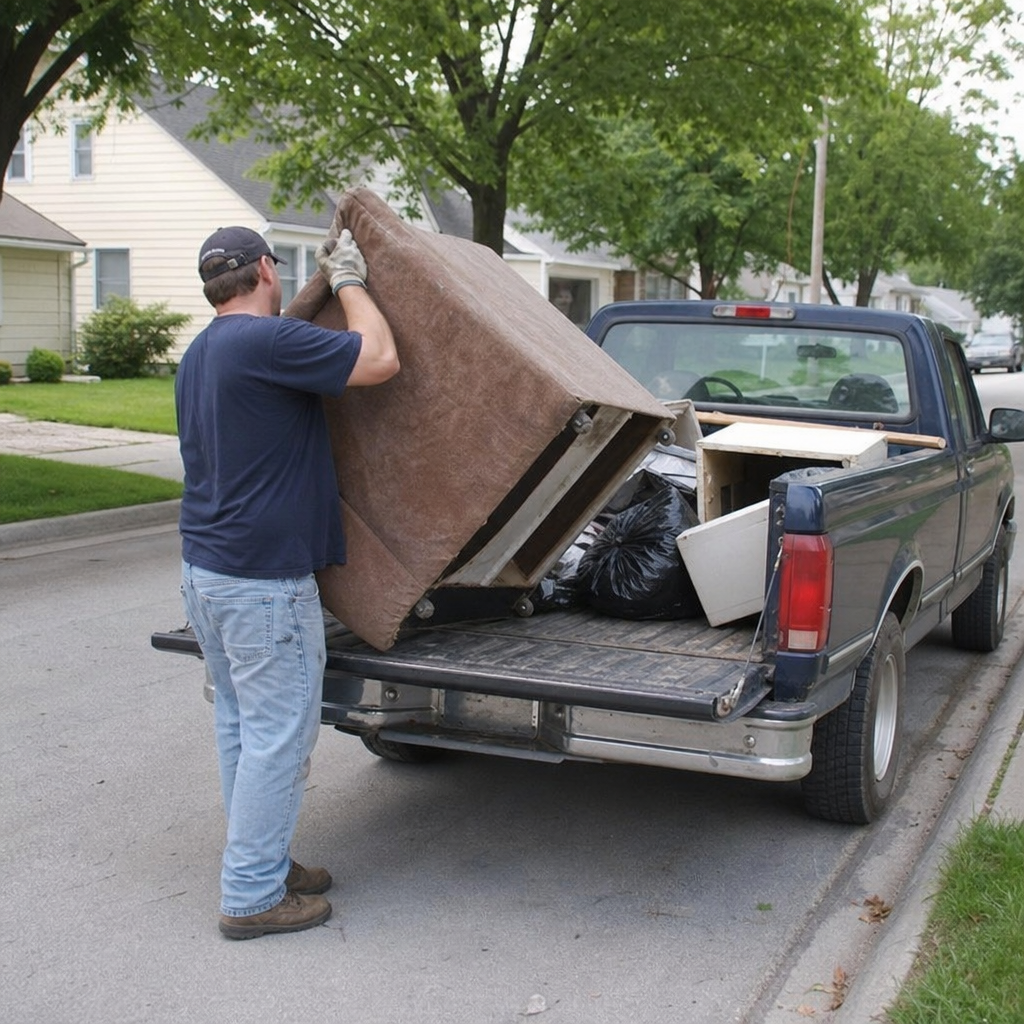
Driving to a local dump, transfer station, or municipal site makes sense when you have a small to medium load and access to a suitable vehicle. It gives you control over timing and may be cost-effective for occasional cleanouts. This option is especially practical when you already know the facility accepts your material.
Bulk pickup may be easier for furniture and appliances
Many communities offer scheduled bulk pickup for large household items. This can be convenient if you do not have a truck or cannot lift heavy objects. The tradeoff is that pickup rules may limit quantity, item type, and timing. Some programs require appointments, tags, or advance payment.
Dumpster rental fits bigger cleanouts
For renovations, estate cleanouts, moves, and multi-room decluttering, a temporary dumpster may be easier than repeated trips to the landfill. You can load at your own pace, keep the mess contained, and have the container hauled away when finished. Be sure to ask about weight limits, prohibited items, placement rules, and pickup scheduling before renting.
Tips for a smoother trip to the dump
A little preparation can make your visit faster and safer. Disposal facilities are busy working environments, so clear sorting and safe loading matter.
Use these practical tips before you go:
Pack heavy items low and evenly so your vehicle stays stable.
Keep sharp objects contained to protect workers and anyone unloading.
Place items by category so you can follow signs for recycling, yard waste, scrap metal, or trash.
Wear gloves and closed-toe shoes if you will unload by hand.
Take payment options such as cash, card, or check if the facility does not list accepted methods clearly.
Arrive well before closing because many sites stop accepting loads before the posted closing time.
Follow staff instructions and posted traffic patterns once onsite.
If your load includes dusty debris, broken glass, nails, or heavy materials, consider whether you need help unloading. Rushing at the disposal site can cause injuries or damage to your vehicle.
A simple plan for finding the best nearby dump
If you are not sure where to start, use a step-by-step approach. First, list exactly what you need to dispose of. Next, separate anything that might need special handling, such as electronics, paint, batteries, appliances, tires, or chemicals. Then search using specific phrases like landfill near me, city dump near me, or dump sites near me along with the item name.
Once you find a likely facility, check its official website or call directly. Confirm hours, accepted materials, fees, public access, residency requirements, and unloading instructions. Finally, secure your load and bring any required identification or proof of address.
This method takes a few extra minutes, but it prevents most disposal headaches. Instead of relying on the closest search result, you choose the facility that is actually set up for your trash.
Final takeaway
Finding the nearest legal dump is about more than distance. The right location depends on what you are throwing away, how much you have, and whether the facility accepts public drop-offs. A broad search for a dump near me can point you in the right direction, but checking rules before you go will save time, money, and frustration.
Whether you need a landfill, a transfer station, a municipal drop-off center, or another legal disposal option, plan ahead and sort your materials. Clean, responsible disposal keeps your project moving and helps protect your community from illegal dumping and unnecessary waste problems.