

Buying sand by the truckload is often the most practical option for landscaping, concrete work, pool bases, drainage projects, and larger fill jobs. The final price depends on more than the sand itself: quantity, sand type, delivery distance, truck capacity, site access, and supplier pricing all shape the total. If you are searching for river sand for sale or comparing quotes for bulk sand delivered to your property, understanding the cost structure can help you budget with fewer surprises.
How much is a dump truck load of sand?
A dump truck load of sand commonly costs anywhere from a few hundred dollars to well over a thousand dollars once material and delivery are included, depending on the type of sand, distance, and load size. As a rough planning range, many sand types fall between about $20 and $45 per ton before delivery, while delivery fees may add another $50 to $500 or more. The best answer to “how much is a dump truck load of sand” is always local, because quarry location, fuel costs, road distance, and order size can shift the final number quickly.
A typical dump truck load of sand may carry around 6 tons or 6 cubic yards, though truck size and local hauling limits vary. That means a single truck load of sand is not a fixed amount everywhere. When requesting quotes, ask whether the supplier prices by ton, cubic yard, or full truckload, and confirm how much the truck can legally and safely carry.
For example, if concrete sand is quoted at $35 per ton and the truck carries 6 tons, the material cost would be about $210 before delivery. If local delivery adds $125, the estimated total becomes $335. That same order could cost more if the site is outside the supplier’s normal delivery zone, requires a smaller truck, or needs extra time for unloading.
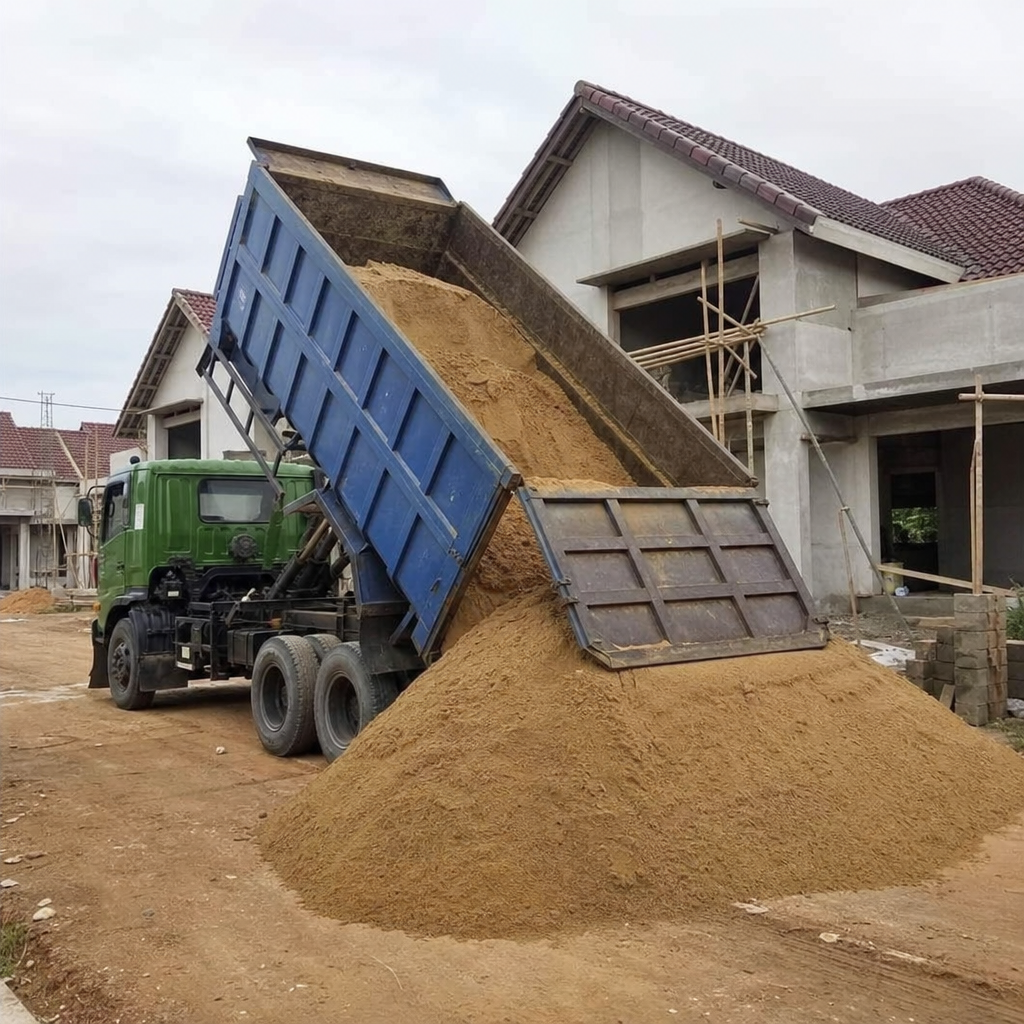
The main cost pieces in a sand delivery quote
A quote for sand delivered usually combines several charges, even if they appear as one total price. Understanding each piece makes it easier to compare suppliers fairly and spot fees that might otherwise feel unexpected.
The material cost is the base price for the sand itself. Fill sand is often less expensive because it usually requires less processing. Concrete sand and masonry sand tend to cost more because they must meet more specific sizing, cleanliness, or workability needs.
Delivery is the second major piece. Local deliveries within a supplier’s regular service area may be priced as a flat fee, while longer trips may be charged by mile, by zone, or by time. If the supplier has to send a truck far outside its normal route, the hauling charge can exceed the material cost on smaller orders.
Site conditions can also affect price. A clean, wide driveway near the drop point is faster and easier than a narrow entrance, steep grade, soft ground, low branches, or a site that requires careful backing. Some suppliers add extra charges when access is restricted because the driver may need more time, a smaller truck, or additional coordination.
Sand types change the price and the result
Not every dump truck load of sand performs the same way. Choosing the lowest-cost option can backfire if the sand is not suited to the project. The right sand should match the job’s structural, drainage, and finishing needs.
Common sand types include:
Fill sand: Often used for leveling, raising low areas, or filling larger spaces where appearance and fine texture are less important. It is usually one of the more budget-friendly options.
Concrete sand: A coarse, washed sand commonly used in concrete mixes, bedding applications, and construction projects that need strength and drainage.
Masonry sand: A finer, more processed sand often used for mortar, pavers, playground areas, and finished surfaces where smooth texture matters.
River sand: Naturally rounded sand used in landscaping, concrete work, and general construction, depending on local quality and screening standards.
If you are comparing river sand for sale against masonry or concrete sand, ask how the material is screened, washed, and graded. River sand may be the right fit for many jobs, but the name alone does not guarantee consistency. A reputable supplier should be able to explain whether the material is appropriate for your intended use.
What affects the total price of sand by truckload?
The total price of sand by truckload is shaped by the quantity ordered, sand type, delivery distance, truck capacity, supplier model, and jobsite access. A larger order may lower the per-ton price, but a difficult delivery or long haul can still raise the total. To budget accurately, treat the order as a combination of material, transportation, and handling rather than a simple product purchase.
Quantity has a major impact because suppliers often give better rates for bulk orders. Orders of 10 tons or more may qualify for a lower per-ton price or discounted delivery, especially when the supplier can load and dispatch efficiently. Smaller orders can still make sense, but the delivery fee represents a larger share of the total cost.
Distance matters because sand is heavy and expensive to haul. Local suppliers may offer flat-rate delivery within 20 to 30 miles, while longer distances often bring higher mileage-based charges. If the sand source is far away, even inexpensive material can become costly once transportation is added.
Timing can influence costs too. In some markets, off-peak periods such as late fall through early spring may bring better availability or lower pricing. During busy construction and landscaping seasons, demand can tighten schedules and reduce flexibility.
A simple way to estimate how much sand you need
Ordering the right amount is one of the easiest ways to control cost. Too little sand can delay your project and force a second delivery. Too much sand leaves you paying for material you do not need and finding somewhere to store or remove the excess.
Use this basic estimating process:
Measure the project area. Record the length and width in feet.
Choose the depth. Convert inches to feet by dividing by 12. For example, 3 inches equals 0.25 feet.
Calculate cubic feet. Multiply length × width × depth.
Convert to cubic yards. Divide cubic feet by 27.
Add a practical buffer. A small allowance helps account for compaction, uneven ground, and spreading loss.
Confirm with the supplier. Ask whether their truck load of sand is sold by ton or cubic yard, because sand weight can vary with moisture and density.
For example, a 20-foot by 15-foot area at 3 inches deep equals 75 cubic feet. Dividing by 27 gives about 2.8 cubic yards. If the project needs a firm base or the ground is uneven, you may round up after discussing the application with the supplier.
Delivery details that can add hidden costs
A smooth delivery starts before the truck arrives. Many unexpected fees come from access problems, unclear drop locations, or jobsite conditions that make unloading slower or riskier. Even when a supplier does not list these as “hidden” charges, they may be included in the quote or added when conditions are more difficult than expected.
Use this site-access checklist before ordering bulk sand delivered:
Entrance width: Confirm the truck can fit through gates, driveways, or temporary access points.
Overhead clearance: Look for low branches, utility lines, roof overhangs, or carports.
Ground firmness: Heavy trucks can sink into soft lawns, wet soil, or loose gravel.
Slope and turning space: Steep grades and tight turns may limit where the truck can safely dump.
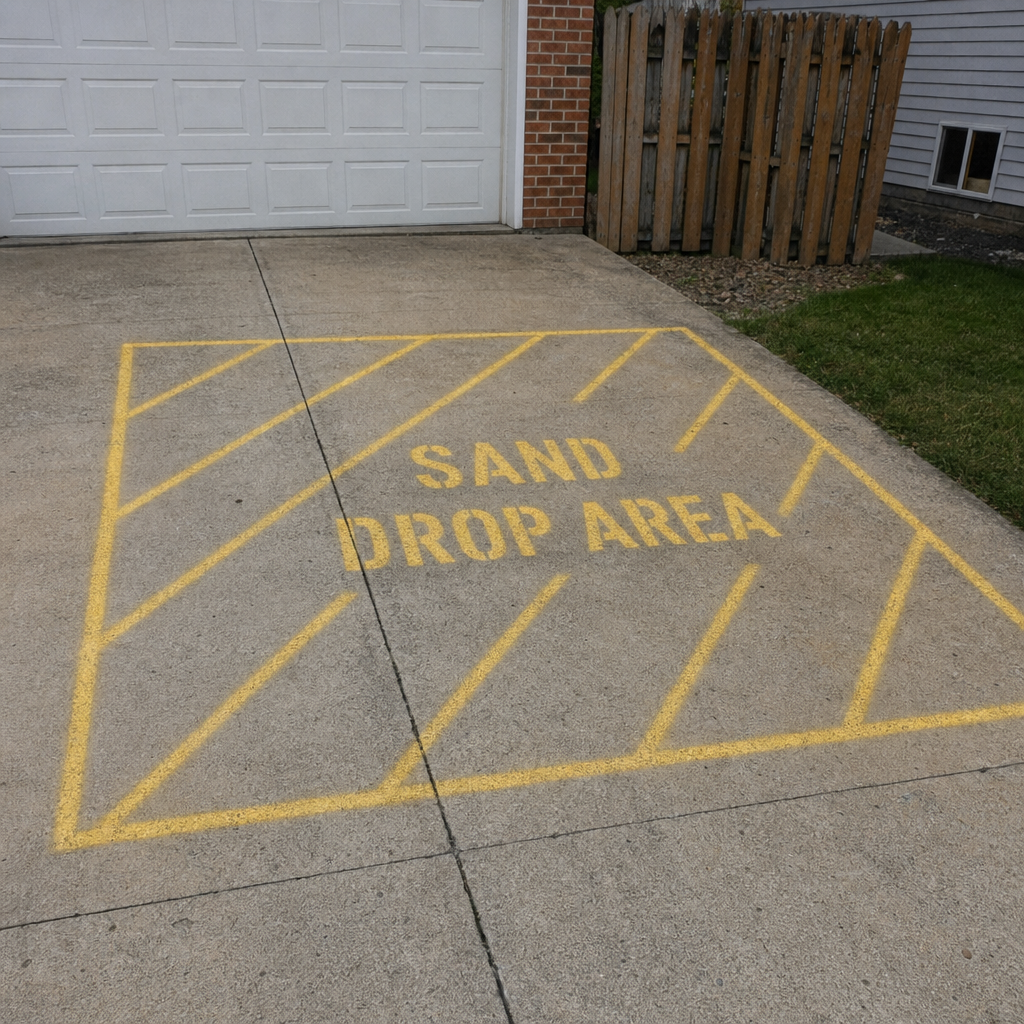
Drop location: Mark the exact unloading area so the driver does not have to guess.
Surface protection: Decide whether plywood, tarps, or barriers are needed to protect pavement or landscaping.
Local restrictions: Check for neighborhood rules, street parking limits, or permits if the truck must unload near a public road.
Restricted access can sometimes add extra charges, especially if the supplier needs a smaller truck, more time, or special routing. Clear instructions reduce confusion and help keep the delivery on schedule.
How to compare suppliers without choosing on price alone
The cheapest quote is not always the best value. Sand quality, delivery reliability, communication, and transparency all matter, particularly when the material is tied to a project deadline. A low price can become expensive if the wrong sand arrives or the truck misses the scheduled delivery window.
When comparing suppliers, ask each one the same questions so you can evaluate quotes side by side:
What type of sand is included in the quote?
Is the price based on tons, cubic yards, or a full dump truck load of sand?
How much material is included per delivery?
Is delivery flat-rate, zone-based, or mileage-based?
Are fuel, environmental, access, or unloading fees included?
Is there a discount for multiple loads or larger orders?
What happens if the site is not accessible when the truck arrives?
Can the supplier recommend the right sand for your specific use?
Also ask whether the supplier sources sand responsibly and follows local extraction, transportation, and environmental rules. River sand can be subject to regional sourcing restrictions or permitting requirements, and responsible sourcing may affect availability and price. While you do not need to become an expert, it is reasonable to ask where the material comes from and whether it is suitable for your project.
How can you reduce sand delivery costs?
You can reduce sand delivery costs by ordering the right quantity, buying in bulk when practical, choosing a nearby supplier, preparing the site, and scheduling with flexibility. The goal is not simply to find the lowest price per ton, but to reduce wasted material, avoid repeat trips, and make the delivery easy for the hauler. Small planning decisions can make a noticeable difference in the final invoice.
Start by calculating your needed quantity carefully. A second delivery for a small shortage can cost more than ordering a modest buffer upfront. At the same time, overordering by several tons ties up money and space, especially on residential jobs.
Consider consolidating orders. If you and a neighbor both need sand delivered, one larger delivery or coordinated scheduling may help unlock better pricing. Contractors and landscapers can often reduce costs by grouping projects or ordering multiple materials from the same supplier.
Ask about backhaul or route-based discounts. Some haulers may offer lower pricing when your delivery fits an existing route or return trip. These discounts are not always advertised, but they are worth asking about if your timing is flexible.
Finally, prepare the site before the truck arrives. A clearly marked, accessible drop zone helps the driver unload quickly and safely. Delays caused by blocked driveways, uncertain placement, or soft ground can increase costs and disrupt the rest of your project.
Final takeaways for budgeting a truckload of sand
A truckload of sand is priced around more than the material in the bed. Sand type, load size, delivery distance, site access, timing, and supplier policies all influence the total. If you are shopping for sand by truckload, compare complete delivered quotes rather than only the advertised per-ton price.
Before you order, measure your project, choose the right sand type, confirm truck capacity, and ask what is included in the delivery fee. Whether you need river sand for sale, construction sand, fill sand, or masonry sand, the best value comes from matching the material to the job and making delivery as simple as possible. With a little planning, you can get the right sand delivered on time, avoid surprise charges, and keep your project moving.